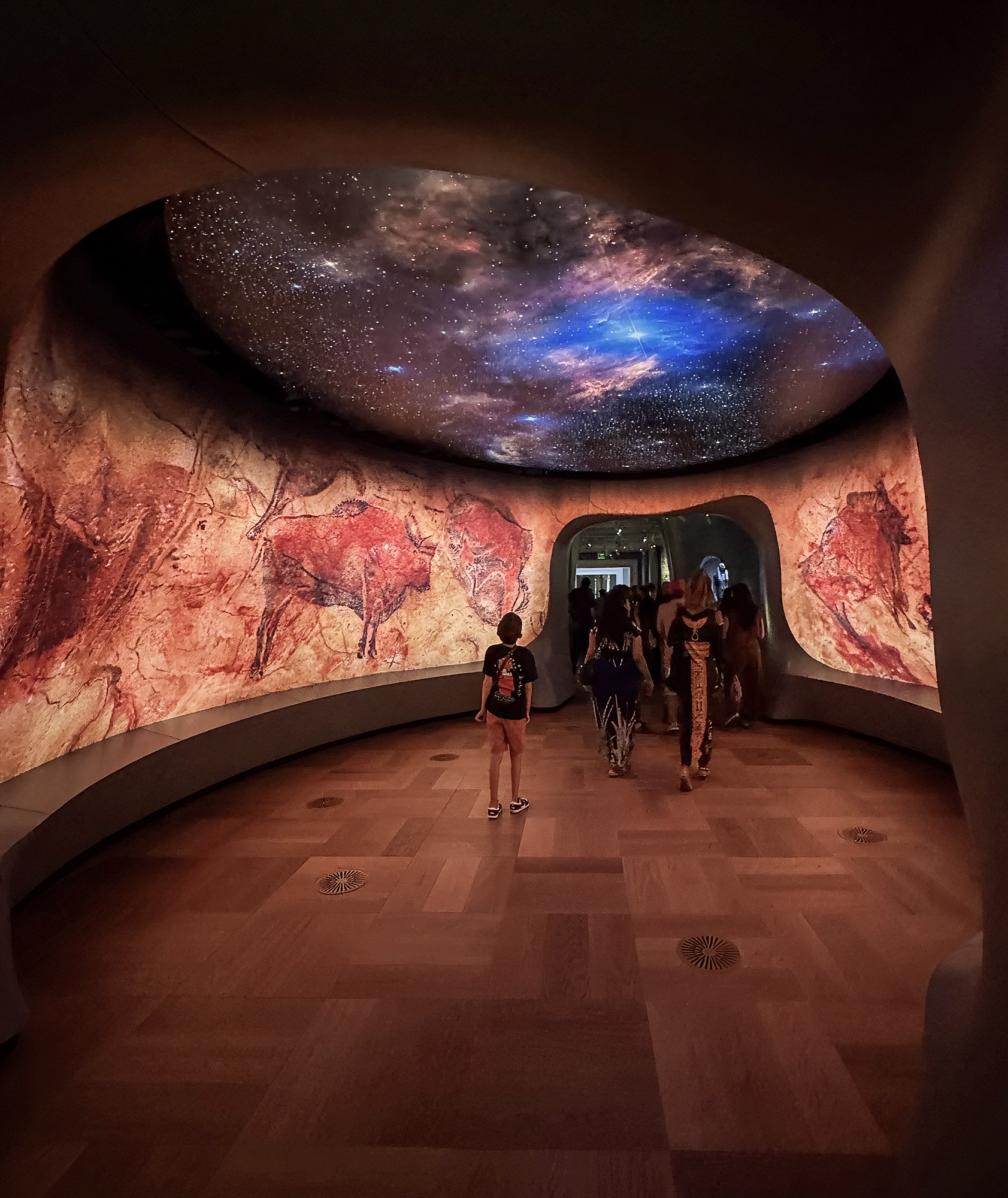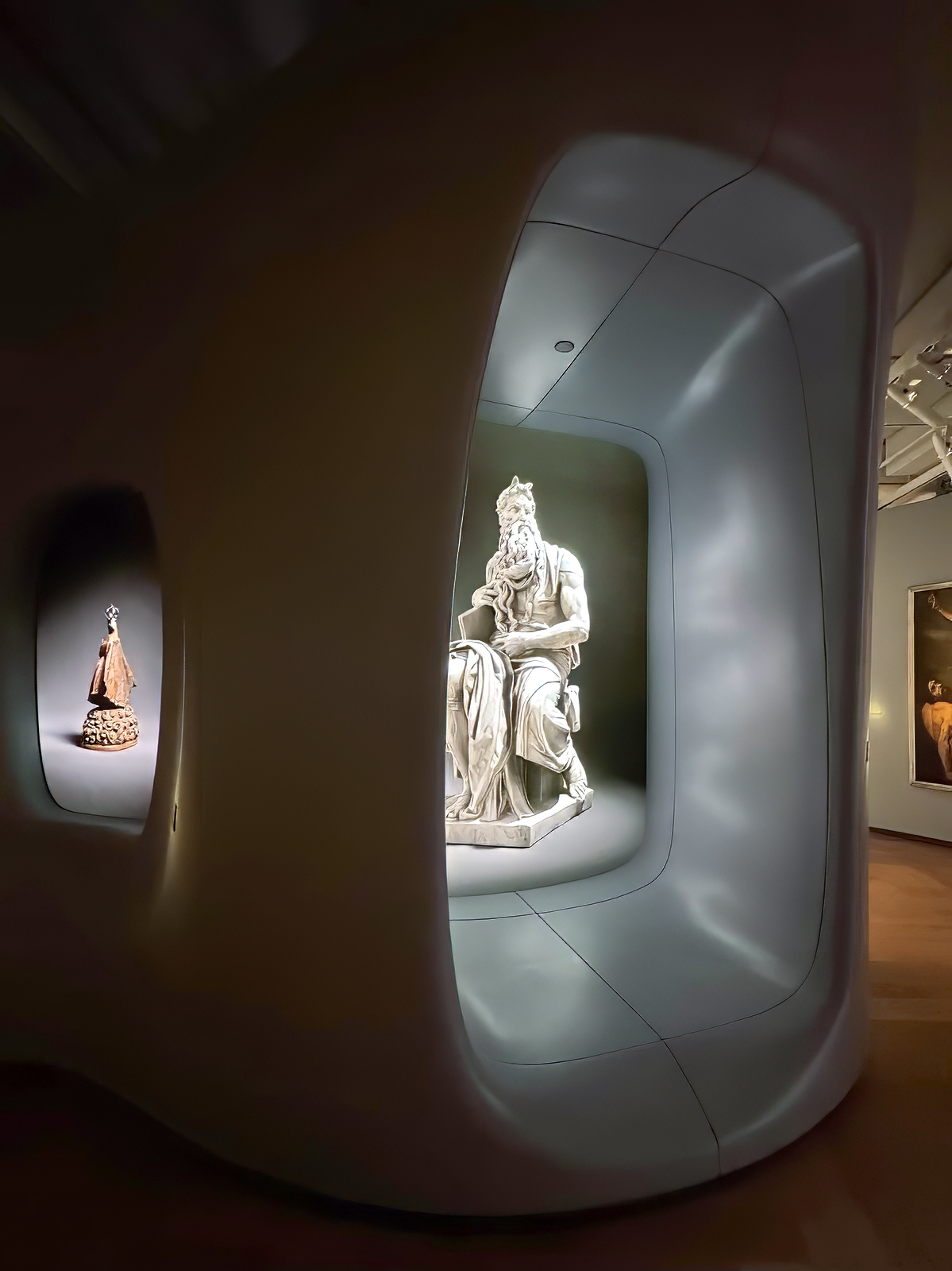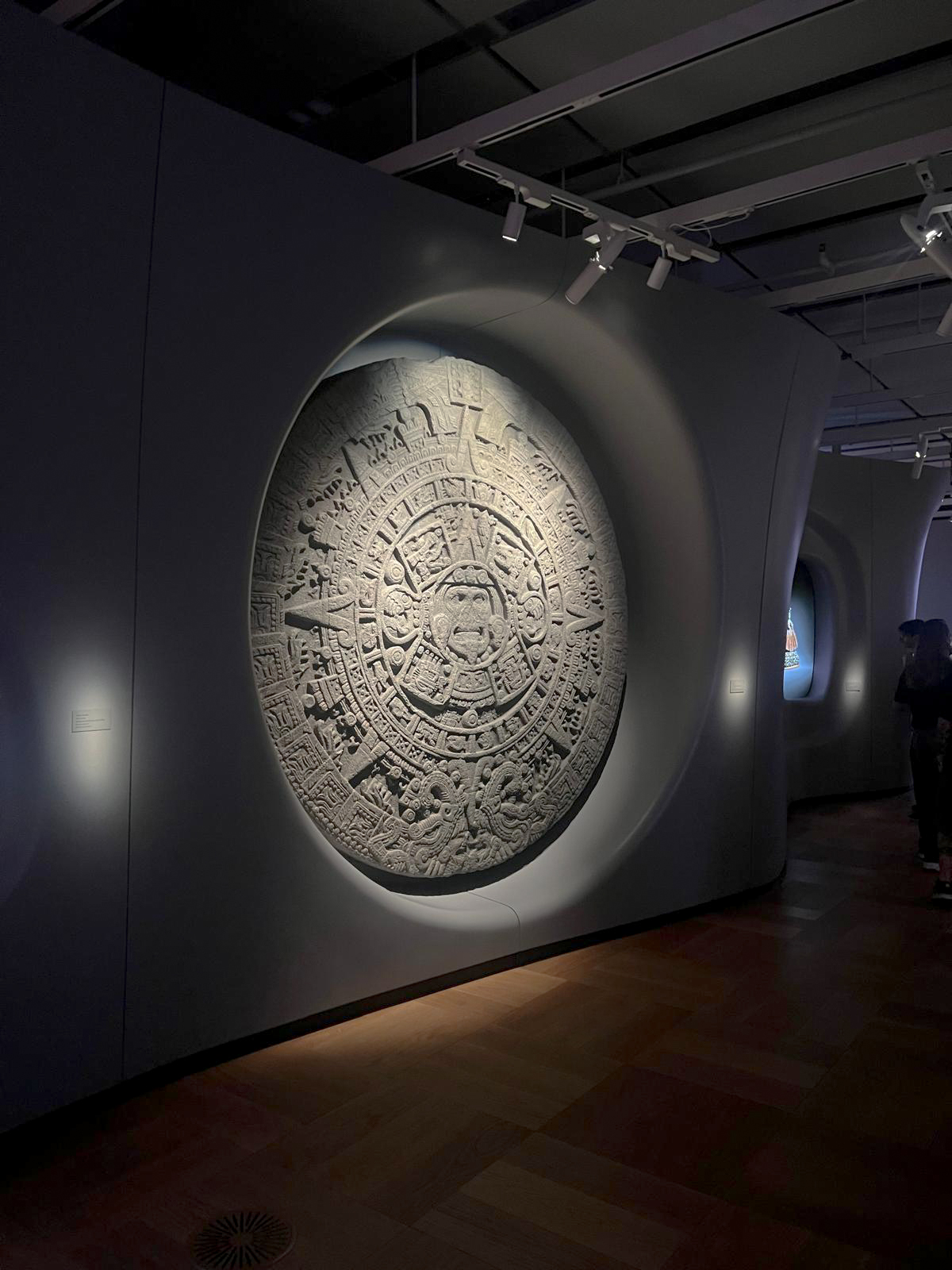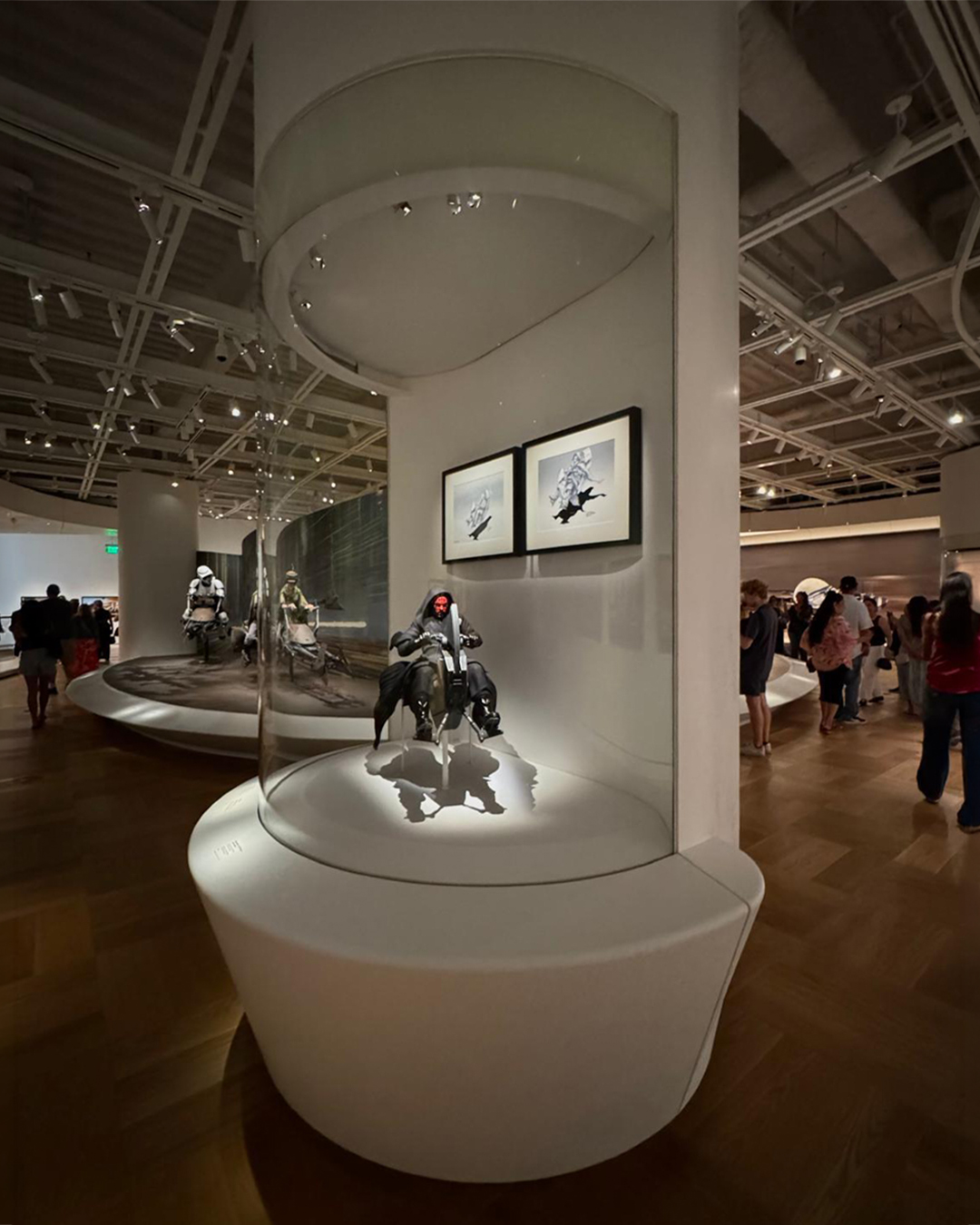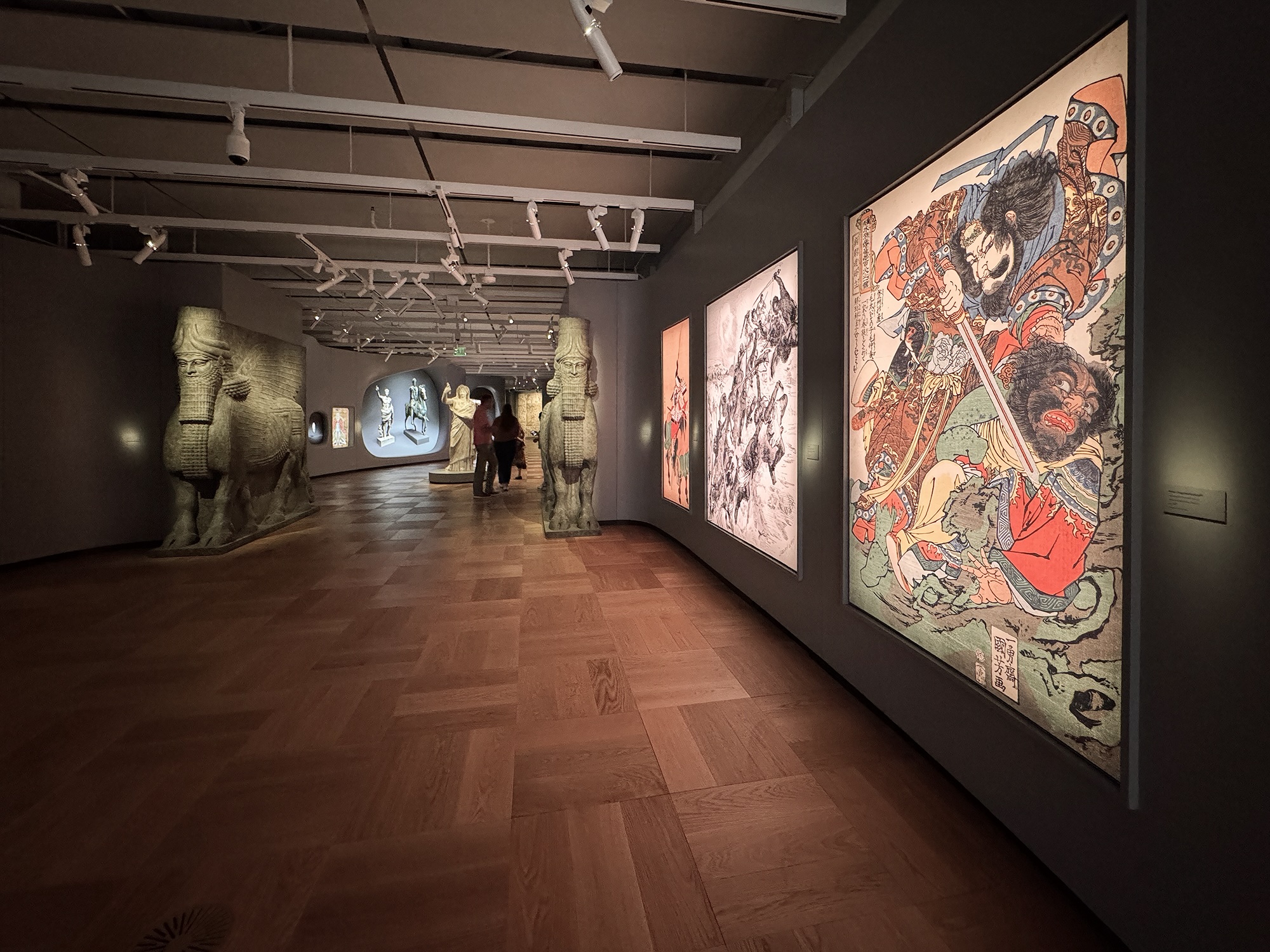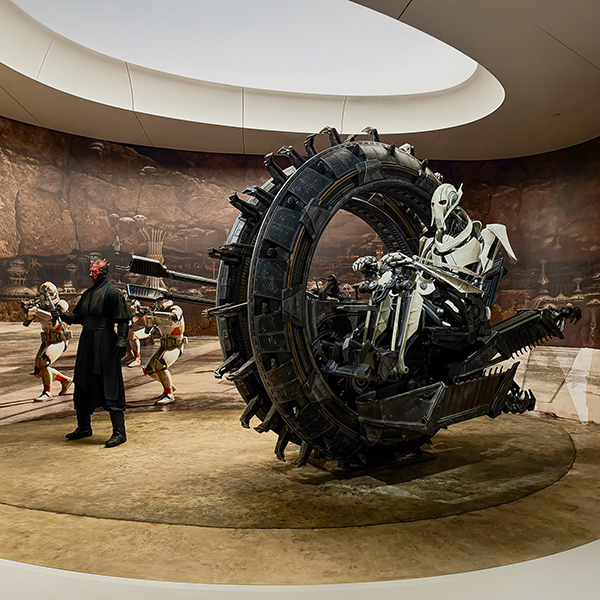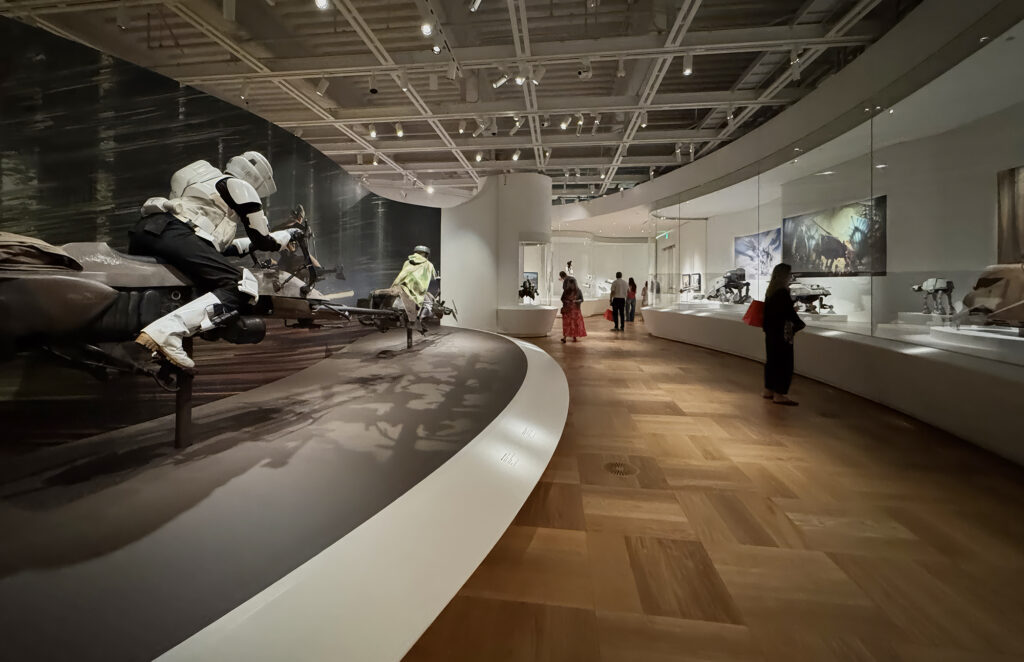
Founded by filmmaker George Lucas, the Lucas Museum of Narrative Art is dedicated to the history and expressive power of visual storytelling. Empty was involved in the development and delivery of two galleries for its permanent exhibition: Heroes · Myths · The Sacred (L1), focusing on the history of visual storytelling, and Cinema (L4), dedicated to film and designed to accommodate large-scale objects, including spacecraft and vehicles from the Star Wars universe.
The two galleries delivered by Empty occupy a central position within the museum—which has 27,000 m² of exhibition space across five levels—and serve as hubs connecting different areas along the visitor route. WHY’s initial design was developed and brought to fruition through a collaborative process between Stantec and Empty.
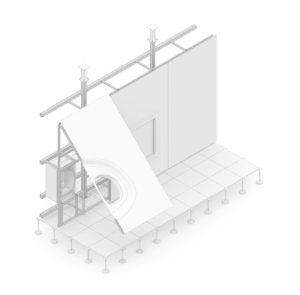 Empty translated the exhibition design into buildable solutions, developing a modular system to facilitate future adaptations and maintenance. As the building was still under construction, a comprehensive site survey had to be carried out in coordination with the general contractor in order to identify and resolve potential clashes in advance.
The modules had to be tied into the building structure to meet California’s seismic requirements. Empty conducted a rigorous analysis of loads, anchorage, connections and tolerances to arrive at solutions that would ensure the stability of the installation as a whole.
The elements delivered include large-scale climate-controlled display cases with manual and motorised opening systems, display furniture, platforms, columns and soffits, thermoformed Corian cladding, curved fibreglass-reinforced polymer panels, dimmable lighting, audiovisual mounting systems and environmental graphics. Full-scale prototypes, workshop pre-assembly and structural testing made it possible to validate complex geometries and mechanisms. The project was coordinated with the review and inspection processes of the relevant authority, the Los Angeles Department of Building and Safety.
Fabrication was distributed among specialist workshops in the United States, Spain and Germany. Empty coordinated suppliers, quality control and the scheduled transportation of more than 2,000 m³ of components, in line with the installation sequence. In Los Angeles, specialists from the various disciplines worked in coordination to assemble and fine-tune each element, ensuring that the specific requirements arising from the distinct design of each gallery were precisely met.